
Advanced Hybrid SIEM: Splunk + NVIDIA DGX
Published:
🚨 Project Executive Summary
This capstone project moves beyond standard SIEM deployment to simulate a Next-Generation SOC. I designed a hybrid detection pipeline that processes standard telemetry (Sysmon, Zeek) in Splunk Enterprise while offloading heavy behavioral analysis to an NVIDIA DGX GPU cluster.
Key Outcome: Reduced “Mean Time to Detect” (MTTD) for “low-and-slow” C2 beacons by utilizing unsupervised learning (Isolation Forest) on historical network datasets.
📸 Phase 1: Architecture & Visibility
A managed SIEM requires granular visibility. I architected the ingestion pipeline to normalize data from Network Traffic (Stream), Intrusion Detection Systems (Suricata), and Endpoint Telemetry (Sysmon).
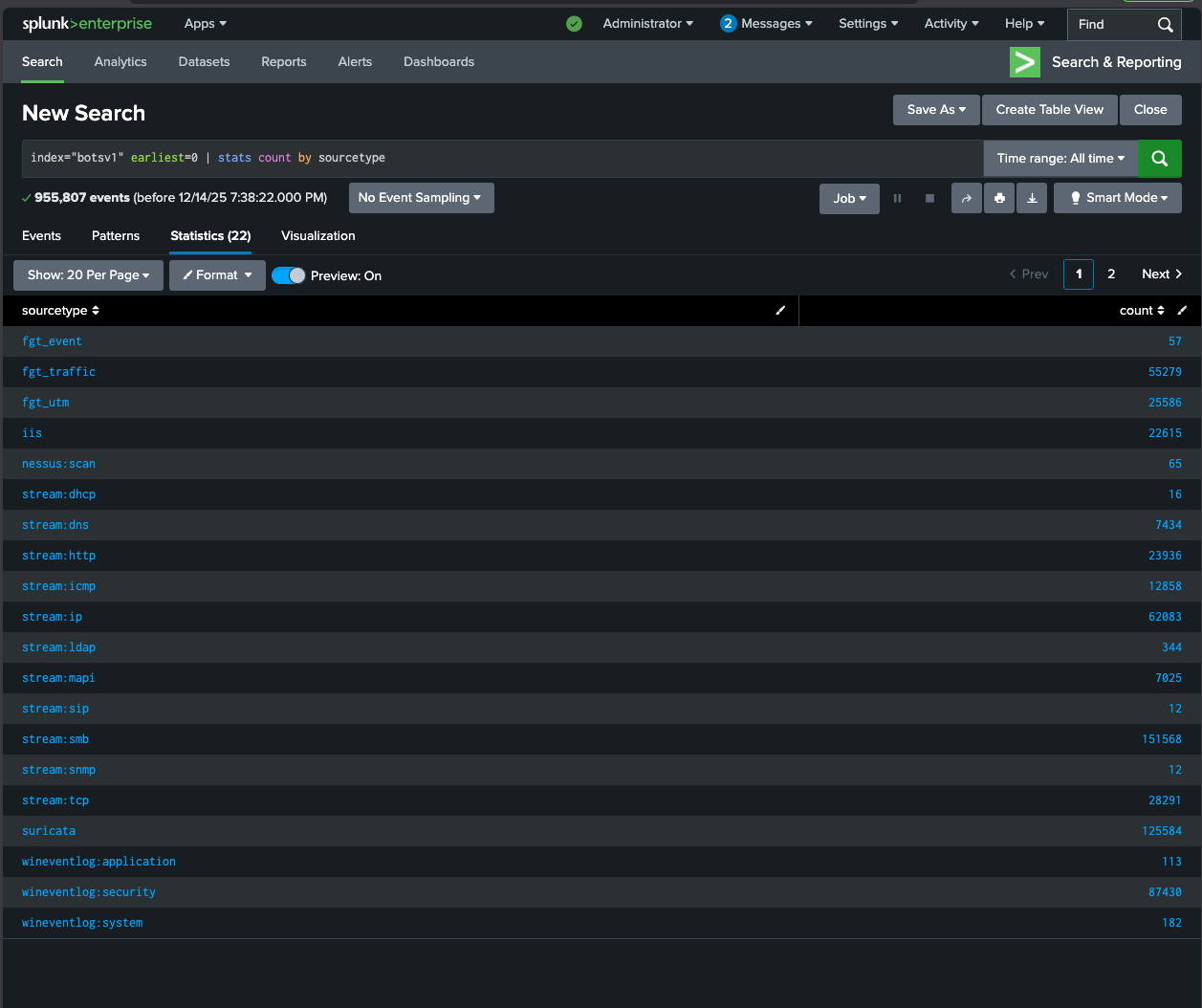 Fig 1: Verified ingestion of diverse data sources (Suricata, HTTP Stream, WinEventLog) proving full visibility into the attack surface.
📈 Phase 2: Threat Detection & Incident Timeline
Using the Splunk BOTS (Boss of the SOC) dataset, I validated the system’s ability to handle high-volume event storms. By analyzing the event distribution histogram, I identified the initial breach window occurring in August 2016.
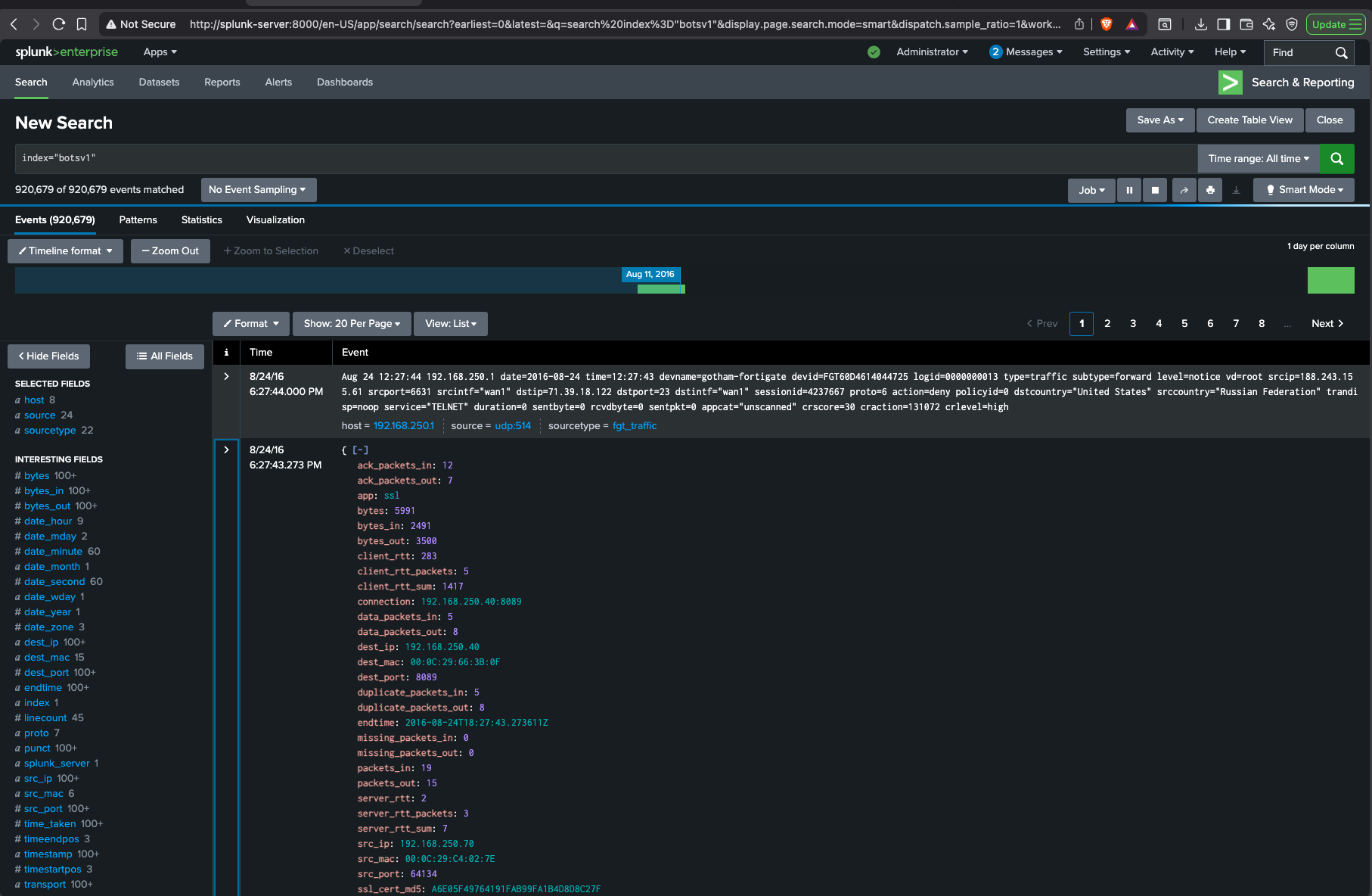 Fig 2: Identifying the “Attack Spike” - separating normal baseline traffic from the anomaly.
🔍 Phase 3: Deep Dive Forensics
Finding the needle in the haystack. I utilized Splunk’s Field Extractor to parse raw Fortinet Firewall logs. In this specific investigation, I traced a Denied Connection attempt from a suspicious external IP (Russian Federation) targeting internal assets.
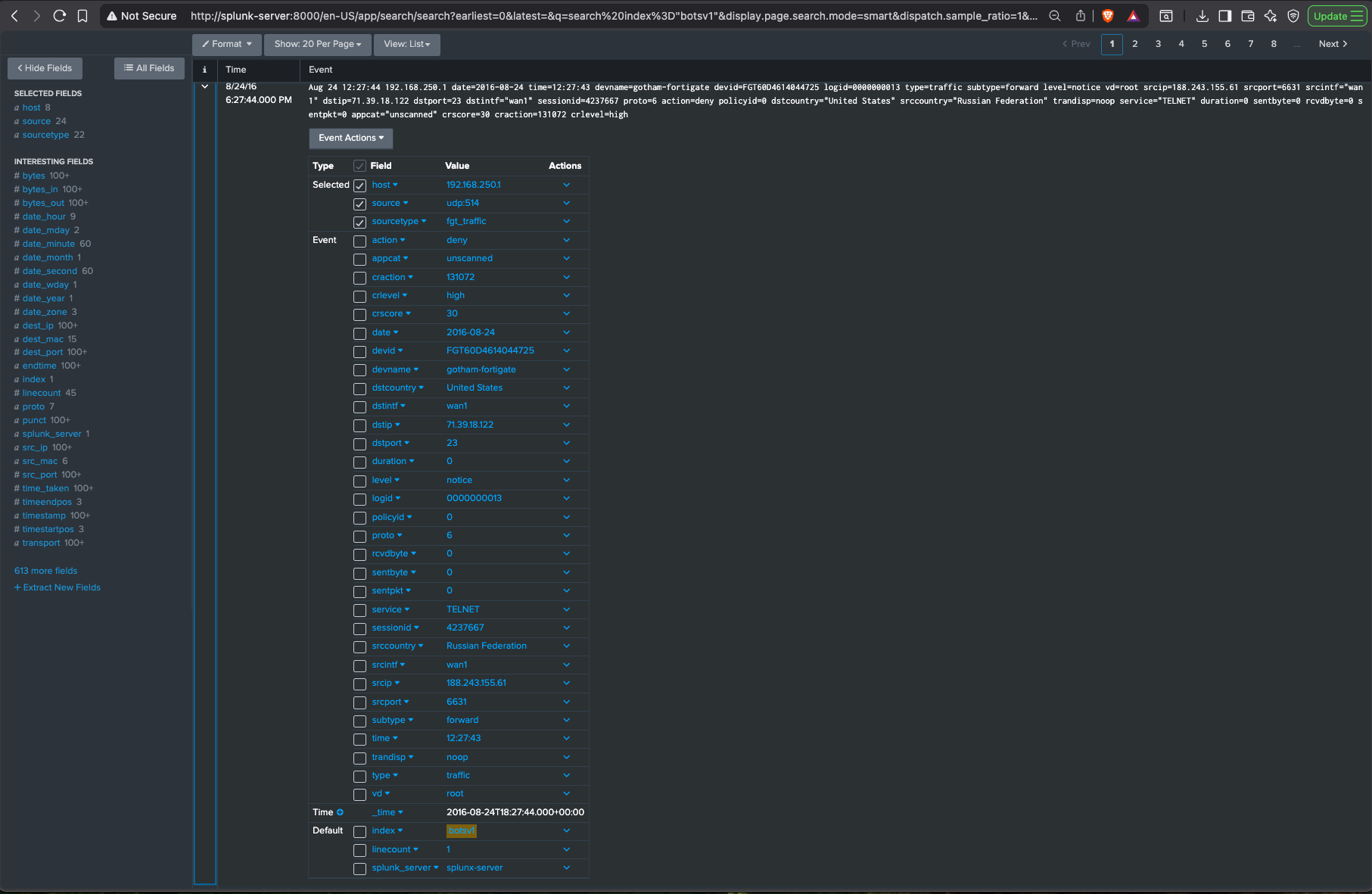 Fig 3: Granular analysis of Firewall traffic logs including Source IP, Destination Country, and Action taken.
🛠 Technical Implementation Details
1. Infrastructure Deployment
- Platform: Splunk Enterprise deployed on Ubuntu Linux (Search Head/Indexer).
- AI Integration: NVIDIA DGX running Apache Spark (RAPIDS) for anomaly detection jobs.
- Log Ingestion: Configured Universal Forwarders to collect system logs from Windows Domain Controllers.
2. Detection Logic (SPL)
- Use Cases: Mapped 5 distinct attack behaviors (Scanning, Execution, C2) to MITRE ATT&CK IDs.
- Alerting: Developed custom SPL queries to create threshold-based alerts (e.g., “Process Injection in Temp folders”).
3. Incident Simulation
- Validation: Verified detection efficacy using “Atomic Red Team” scripts to simulate credential dumping.
- Response: Maintained detailed documentation of the architecture, alert logic, and incident response procedures.